
Products Description
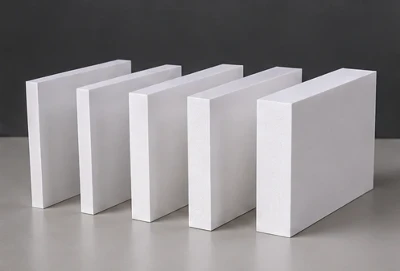
A printed display and a cabinet component may both begin as a white sheet, but they ask different things of the material. The display needs a face that works with the chosen ink and viewing conditions. The cabinet component also needs to suit its joints, hardware and unsupported span. PVC foam board is an extruded, cellular PVC sheet; selecting the process and specification is what turns that broad material category into a useful production input.
Our PVC free foam board is a starting point for printing and lightweight display work. PVC Celuka foam board is a direction to consider when fabrication places more emphasis on the board body, machined edges and fastening. Co-extruded PVC foam board deserves discussion when visible surfaces and decorative finishing are priorities. These options should be compared using representative samples, rather than assuming that equal thickness means equal performance.
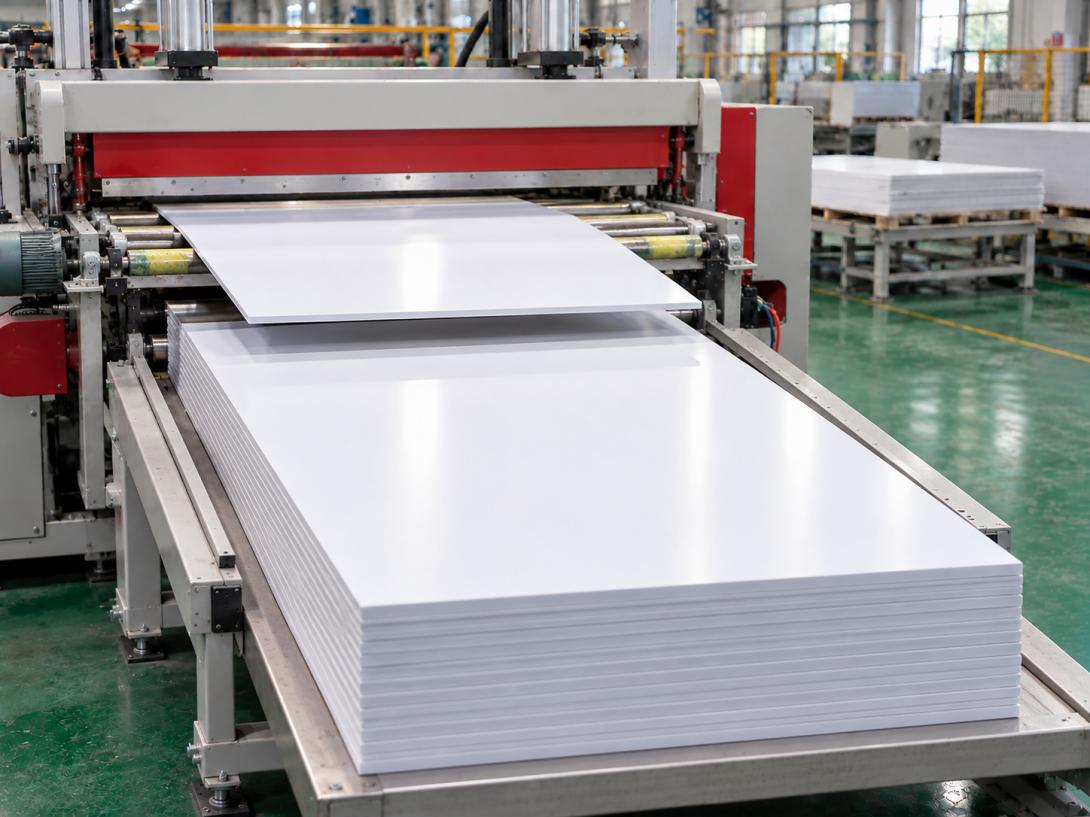
Zibo Kaichuang Plastic Co., Ltd. manufactures these board families at a factory covering more than 20,000 m² with 7 production lines. We help distributors, printing businesses and furniture producers turn their application requirements into an agreed sheet specification, packing arrangement and shipment plan.

Technical Parameters
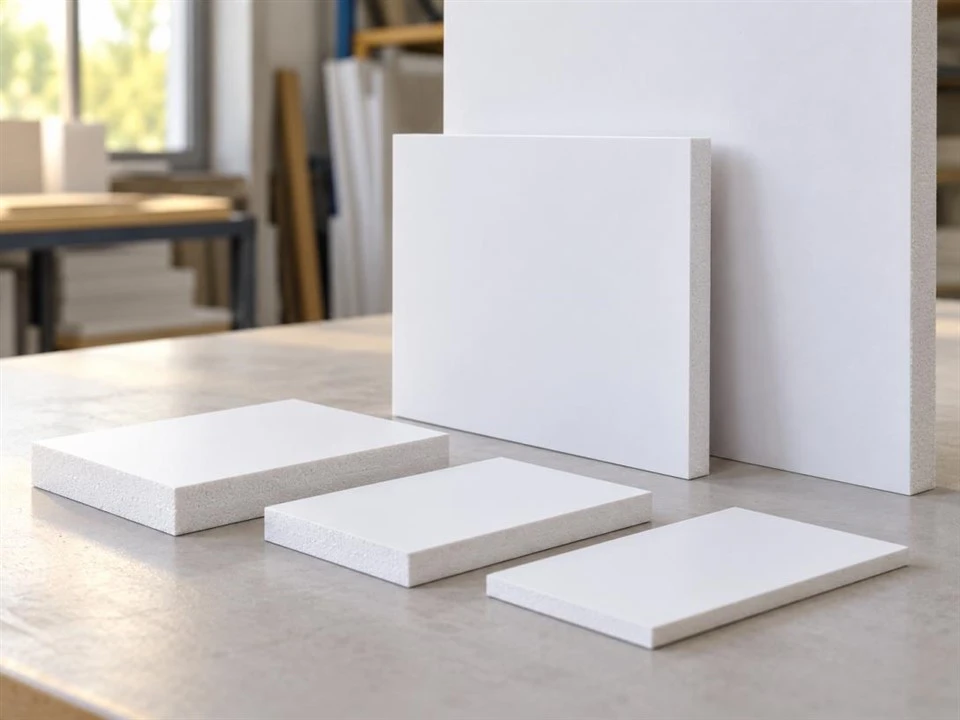
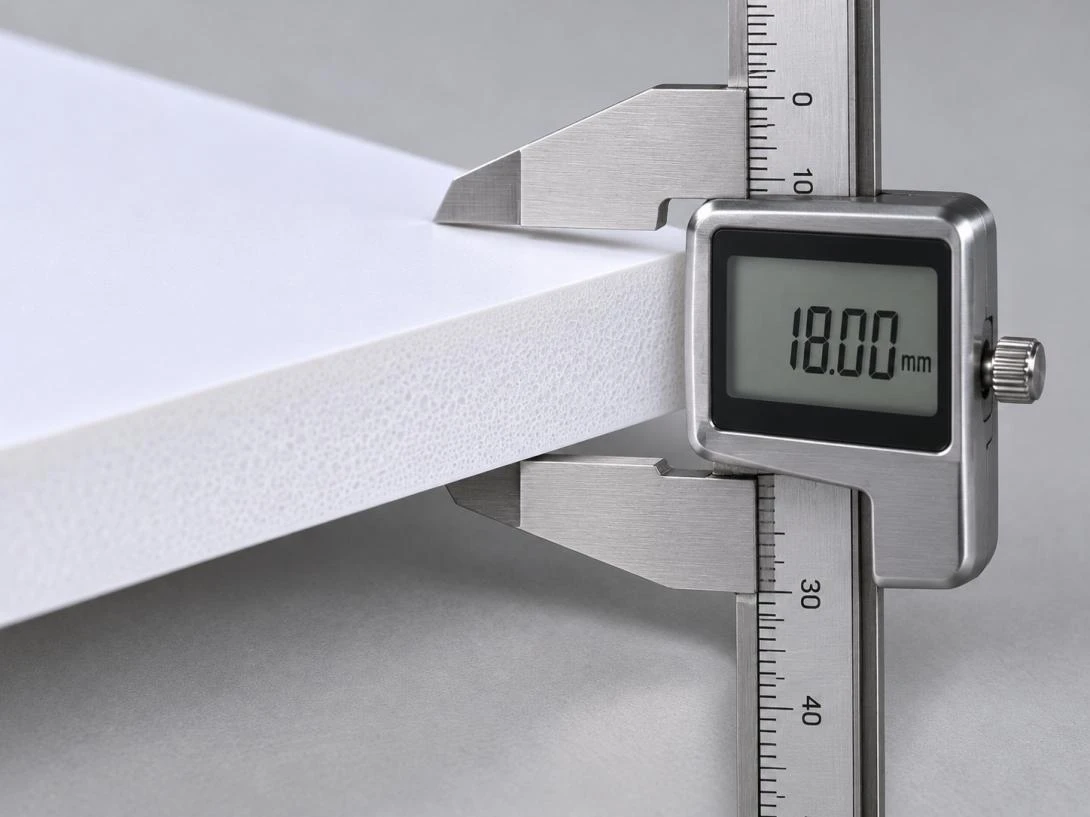
Production range. Our company-wide supply range covers thicknesses from 1 to 30 mm and densities from 0.31 to 0.90 g/cm³. These are overall manufacturing ranges, not a promise that every density can be combined with every thickness or board process. The selected free foam, Celuka or co-extruded specification must be confirmed before an order is placed.
Sheet dimensions and finish. The regular format is 1220 × 2440 mm, commonly referred to as a 4 × 8 ft PVC foam board. Large formats include 1560 × 3050 mm and 2050 × 3050 mm. Custom length, colour, protective film and OEM packing can be discussed for suitable bulk orders. For large sheets, confirm the exact board type and thickness alongside the handling and cutting plan. A 2100 × 2800 × 18 mm single-sheet requirement remains subject to a separate production check.
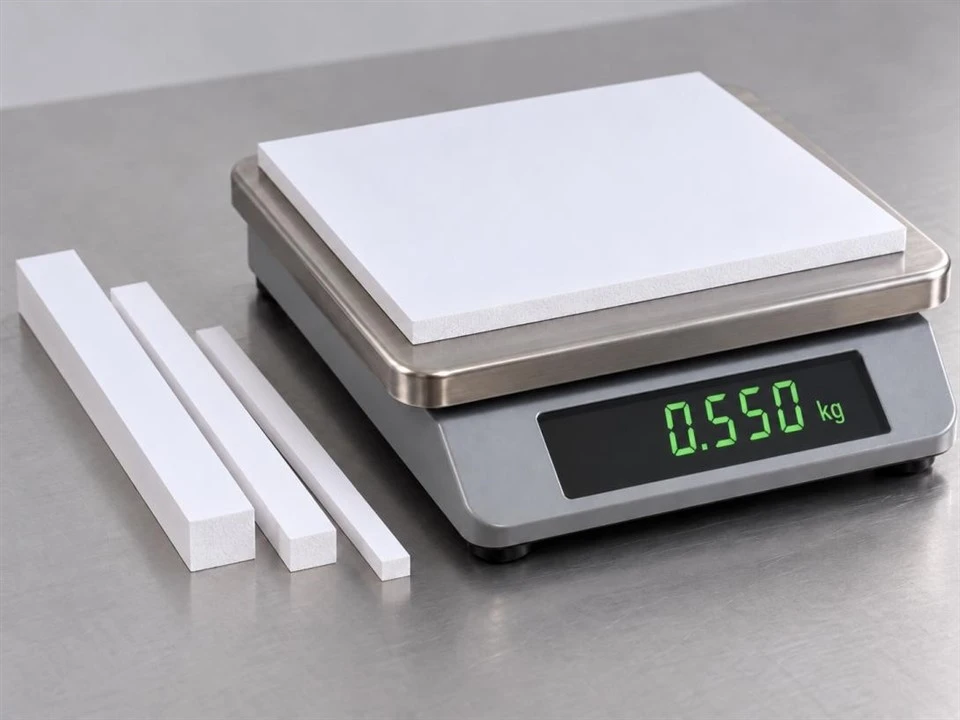
A useful sheet-weight check. For a nominal 1220 × 2440 × 5 mm sheet at 0.55 g/cm³, the calculated board mass is approximately 8.19 kg: 1.220 × 2.440 × 0.005 × 550. Here, 0.55 g/cm³ equals 550 kg/m³. This calculation excludes film and packing, and actual mass varies with measured dimensions and density. It gives buyers a common basis for checking quotations and estimating handling requirements; it is not a declared weight tolerance.
Order acceptance criteria. Agree numerical tolerances for thickness, density and dimensions with the quotation, together with surface requirements and the inspection method. Where a project depends on screw withdrawal, flexural performance, fire classification or another tested property, request a report covering the relevant grade and test scope. Those values cannot be inferred from the product name or density alone.
Functions Advantages and Features
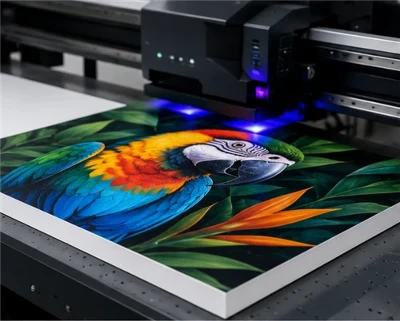
Choose the face for the next operation. For a printable PVC foam board, the useful question is how the supplied face behaves with your printing process. Surface marks, dust and handling damage may remain visible in the finished graphic. Review an actual print trial under the expected lighting, and agree whether protective film is needed before sheets enter your workshop. This makes surface selection a practical production decision.
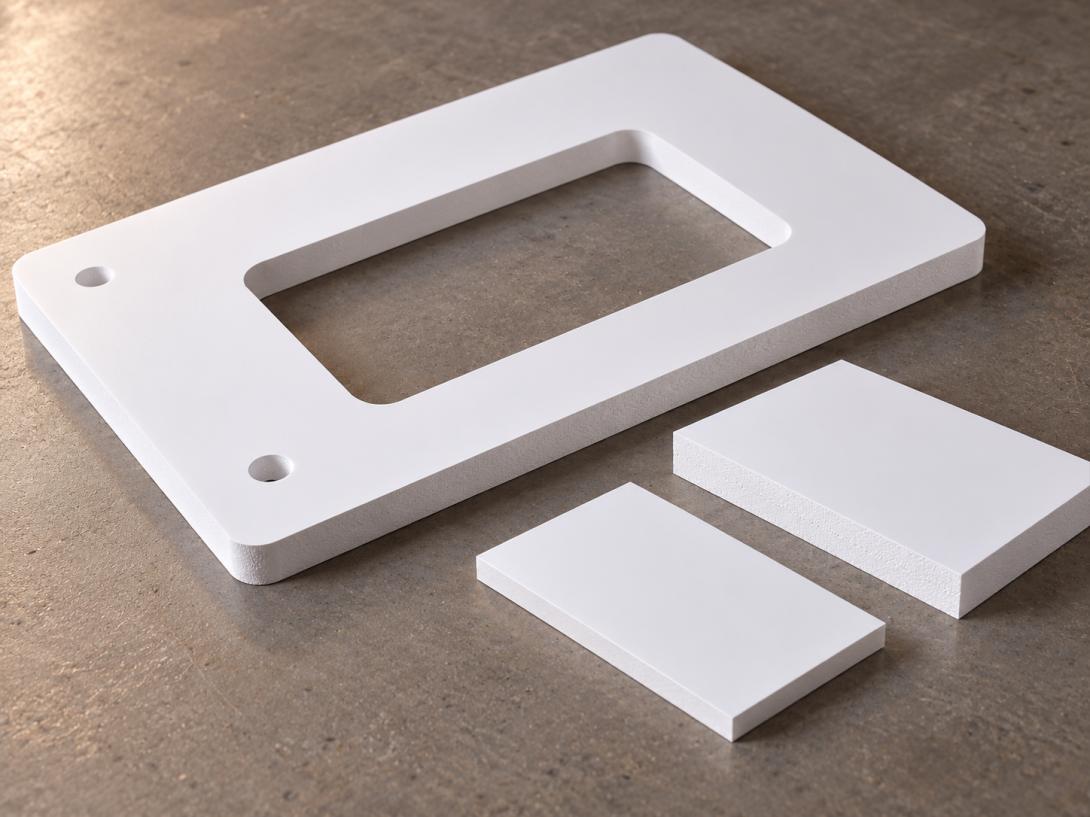
Assess the cut part as well as the uncut sheet. An attractive sample face does not tell you everything about a routed opening or drilled fixing point. Ask the sample to go through your intended machining sequence. Tool condition, feed settings, workholding and the board specification can all affect the result. Comparing the resulting edges helps a buyer discuss a processing issue with specific evidence instead of changing density without checking other causes.
Use density to define a material choice. Within a fixed sheet size and thickness, density directly affects board mass. The right target should also reflect the finished component and its assembly method. A higher density is not, by itself, a verified screw-holding or shelf-load rating. For PVC foam board for furniture, evaluate the proposed fastener, edge distance and panel support using a representative assembly before approving bulk material.
Compare cutting yield before selecting a larger sheet. A large-format PVC foam sheet may allow parts to be nested differently or reduce visible joins. Whether it saves material depends on the actual part layout, saw kerf, trimming allowance and machine bed. Compare usable parts per sheet and packed shipment weight, rather than judging value only by the quoted price per board. We can discuss the available sheet formats against your cutting requirement.
Make quality checks part of the purchase specification. Our quality-control work covers raw material selection, extrusion, thickness control, surface review, packing inspection and loading. Kaichuang has ISO9001 quality management system certification. For an order requiring third-party evidence, SGS testing can be supported to an agreed scope. System certification and an order-specific test report serve different purposes; neither should be presented as proof of an untested product property.
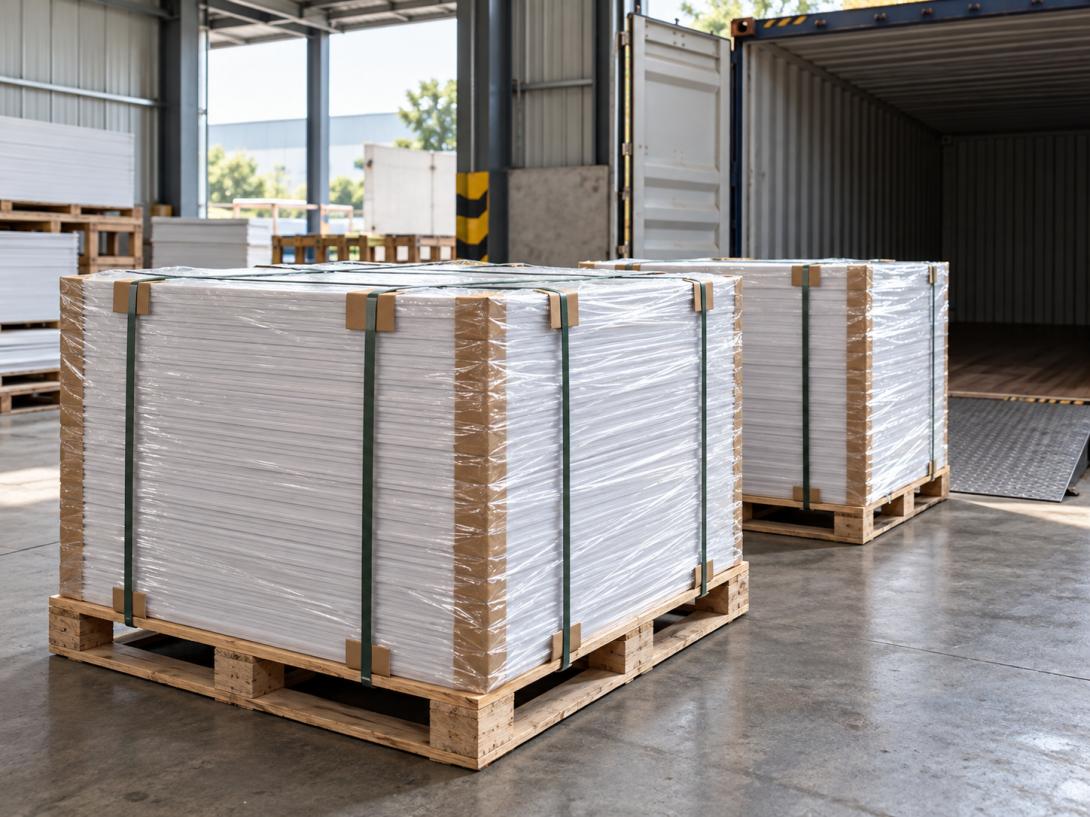
Protect the specification through delivery. PE bags, cartons, pallets, protective film and customised marks are packing options, selected according to thickness, quantity and transport method. Edge protection and stable pallet arrangements help address handling damage during export. Confirm the packing method before shipment so the way sheets arrive supports the way your team intends to store, unload and process them.
Applications
Advertising and print production. A PVC advertising foam board can be considered for UV-printed panels, retail graphics, exhibition displays and shaped sign components. Start by defining viewing distance, mounting method and print finish. Free foam is the first board family to discuss when low sheet weight and print appearance are central to the job; complete an ink and adhesion trial before committing to volume.
Furniture and cabinet fabrication. For cabinet sides, doors, partitions and shelving components, discuss Celuka or co-extruded options together with hardware and support details. A PVC board for bathroom furniture also needs an assembly review: the joints, adhesives, fixings and surrounding materials must suit the humid indoor environment. Bare-board moisture resistance does not establish the performance of the complete cabinet.
Visible interior components. Reception-area panels, shop interiors, decorative partitions and display furniture place different demands on the visible face. Co-extruded board is an option to review when surface hardness and finishing quality have particular importance. Agree the required appearance using a finished sample, especially when the panel will be laminated or positioned under strong side lighting.
Custom fabrication and distributor stock. For CNC-cut parts or wholesale PVC foam board orders, send a part drawing or a clear description of the customers you serve. Keeping print-oriented grades separate from furniture-oriented grades helps match stock to demand. Construction-related enquiries should identify the specific non-structural component and any applicable project approvals before a board is selected.

Frequently Asked Questions
1.Can I compare two suppliers using thickness and density alone?
Those figures are a starting point, but the surface, foam structure, measured tolerances and performance in your process also matter. Ask both suppliers for samples of the intended grade, then compare them using the same cutting, printing or assembly conditions. Keep the acceptance criteria consistent when reviewing the quotations.
2.Should I choose the highest density available?
Not automatically. Additional density adds mass at the same dimensions, while the finished component may depend on other factors such as thickness, support spacing and fastening. Describe the part and its service conditions first. If a load or fastener rating is required, establish it through an appropriate test rather than treating density as a substitute.
3.Can you supply a large board as one sheet?
We supply regular 1220 × 2440 mm sheets and offer large formats including 1560 × 3050 mm and 2050 × 3050 mm. Confirm the exact process, thickness and density for the size you need. Other dimensions, including a 2100 × 2800 × 18 mm single sheet, require a separate capability check and should not be assumed available.
4.Can the protective film stay on during CNC cutting?
This needs a trial with the proposed film and machining method. Tell us whether the film must remain in place during cutting and whether easy peeling without adhesive residue is required afterwards. Sample approval should check both stages; a film that protects well in transit may not be the preferred option for a particular cutting setup.
5.What documents can support our quality requirements?
Kaichuang can provide information on its ISO9001 quality management system certification. If SGS testing is required, agree the product grade, test items and reporting requirements before the order proceeds. Please identify the destination market and requested standard so that document scope can be checked against your actual purchasing requirement.
6.What determines the MOQ, lead time and container quantity?
These depend on the grade, thickness, dimensions, colour, surface treatment, packing and order mix. Provide the complete specification and destination when requesting a quotation. Container loading should be calculated for that order using packed dimensions and weight; a sheet count from a different thickness or packing method is not a reliable substitute.
Send the Part Requirement With Your PVC Foam Board Enquiry
Tell us what you intend to make, then include the preferred board type, thickness, density, sheet dimensions, quantity and delivery destination. A drawing, print sample or photograph of the finished part can make the discussion more precise. If a parameter is undecided, explain the result you need instead of guessing a specification.
Contact Zibo Kaichuang Plastic Co., Ltd. at emma@kaichuangplastic.com to discuss a suitable sample, the specification to confirm and the export packing options for your order. We will use those details to review the manufacturing requirement and prepare a quotation around the job you actually need to complete.
Hot Tags: pvc foam board for print and fabrication, China pvc foam board for print and fabrication manufacturers, suppliers, factory, automotive interior with pvc foam board, backdrop made of pvc foam board, gasket material pvc foam board, outdoor furniture made of pvc foam board, protective packaging with pvc foam board, retail display with pvc foam board