


Hey there! I'm a supplier of PVC cabinet boards, and I often get asked whether PVC cabinet boards are safe for food storage areas. It's a crucial question, and I'm here to break it down for you in plain English.
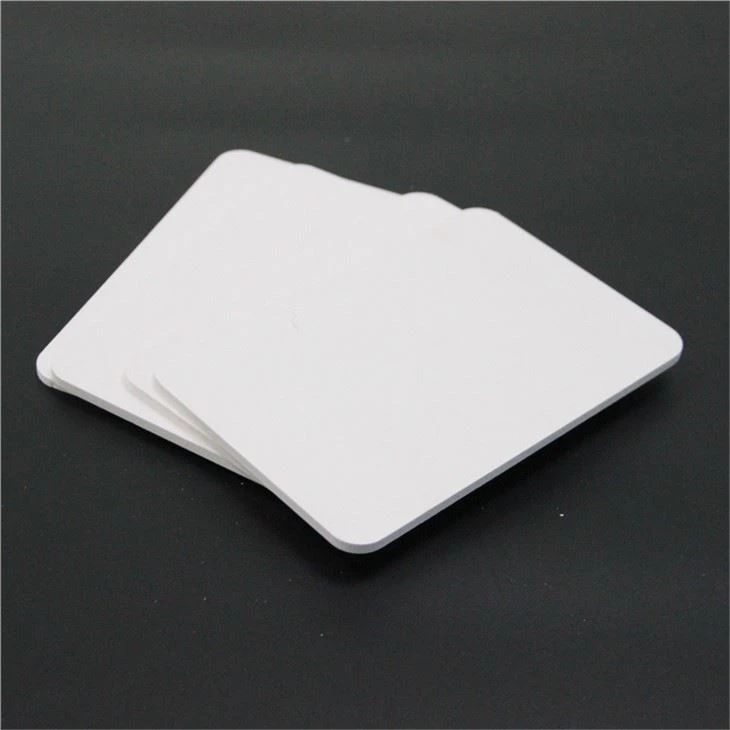
First off, let's talk about what PVC cabinet boards are. PVC stands for polyvinyl chloride, which is a type of plastic. These boards are commonly used in cabinetry because they're durable, cost - effective, and come in a variety of colors and finishes. You can find different types of PVC boards like the 20mm High Density PVC Foam Sheet, PVC Celuka Foam Sheet, and High - density PVC Foam Board for Construction.
Now, onto the safety aspect. When it comes to using PVC cabinet boards in food storage areas, there are a few key factors to consider.
Chemical Composition
PVC itself isn't inherently toxic. However, during the manufacturing process, various additives are used to give PVC its desired properties. For example, plasticizers are added to make the PVC more flexible. Some older types of plasticizers, like phthalates, have been a cause for concern. Phthalates have been linked to health issues such as hormone disruption, especially in children and pregnant women.
But here's the good news. Nowadays, most reputable PVC cabinet board manufacturers, including us, use safer plasticizers. We follow strict regulations and industry standards to ensure that our products are free from harmful chemicals. We use phthalate - free plasticizers that have been tested and proven to be safe for general use, including in areas where food might be stored.
Durability and Resistance
One of the great things about PVC cabinet boards is their durability. They're resistant to moisture, which is a huge plus in a food storage area. Moisture can lead to the growth of mold and mildew, which can contaminate food and pose health risks. PVC boards don't absorb water like wood or some other materials, so they're less likely to develop mold problems.
They're also resistant to scratches and stains. This means that any spills or messes in the food storage cabinet can be easily cleaned up without leaving behind any residues that could attract bacteria or other contaminants.
Surface Finish
The surface finish of PVC cabinet boards is smooth and non - porous. This is important because it doesn't provide a place for bacteria to hide. Unlike some rough - surfaced materials, bacteria can't get lodged in the tiny crevices of a PVC board. When you clean a PVC cabinet, you can be confident that you're effectively removing any potential contaminants.
Fire Safety
Another aspect of safety is fire safety. PVC has a relatively high ignition point compared to some other materials. This means that in the event of a fire, PVC cabinet boards are less likely to catch fire quickly. However, it's important to note that when PVC does burn, it can release toxic fumes. But in a normal food storage situation, the risk of a fire starting in the cabinet itself is quite low.
Regulatory Compliance
We take regulatory compliance very seriously. Our PVC cabinet boards meet all the relevant safety standards set by national and international authorities. These standards are in place to protect consumers and ensure that the products we use in our homes and businesses are safe. When you choose our PVC cabinet boards for your food storage area, you can be confident that you're getting a product that has been thoroughly tested and approved.
Maintenance
Proper maintenance of PVC cabinet boards in food storage areas is also essential for safety. Regular cleaning with mild detergents and water is usually sufficient to keep the boards clean and hygienic. Avoid using abrasive cleaners or harsh chemicals, as these can damage the surface of the PVC and potentially release harmful substances.
Potential Drawbacks
Of course, no material is perfect. One potential drawback of PVC cabinet boards is that they can be affected by extreme temperatures. If the temperature in the food storage area gets too high, the PVC can start to warp or deform. This is why it's important to install the cabinets in a location where the temperature is relatively stable.

Also, while PVC is generally considered safe, some people may have sensitivities or allergies to the materials. In rare cases, individuals may experience skin irritation or respiratory problems when exposed to PVC. However, this is quite uncommon, especially with the high - quality, low - emission PVC products we offer.
Conclusion
So, are PVC cabinet boards safe for food storage areas? In most cases, yes. When sourced from a reputable supplier and properly maintained, PVC cabinet boards can be a safe and practical choice for food storage cabinets. They offer many advantages in terms of durability, moisture resistance, and ease of cleaning.
If you're considering using PVC cabinet boards for your food storage area, I encourage you to get in touch with us. We can provide you with more detailed information about our products, answer any questions you may have, and help you choose the right type of PVC board for your specific needs. Whether you're looking for a 20mm High Density PVC Foam Sheet, PVC Celuka Foam Sheet, or High - density PVC Foam Board for Construction, we've got you covered.
Let's start a conversation about how we can help you create a safe and functional food storage area with our high - quality PVC cabinet boards.
References
- European Union, "Regulation (EC) No 1907/2006 of the European Parliament and of the Council of 18 December 2006 concerning the Registration, Evaluation, Authorisation and Restriction of Chemicals (REACH)".
- US Food and Drug Administration, "Food Contact Substances: Regulatory Overview".
- International Organization for Standardization (ISO), "ISO standards related to plastic materials safety".