


As a supplier of 18mm PVC foam sheets, I often receive inquiries from customers regarding the suitability of our products for food - contact applications. This is a critical question, considering the strict safety regulations and potential health risks associated with food handling. In this blog post, I aim to provide a comprehensive and scientifically - based analysis of whether 18mm PVC foam sheets can be used in such scenarios.
Understanding PVC Foam Sheets
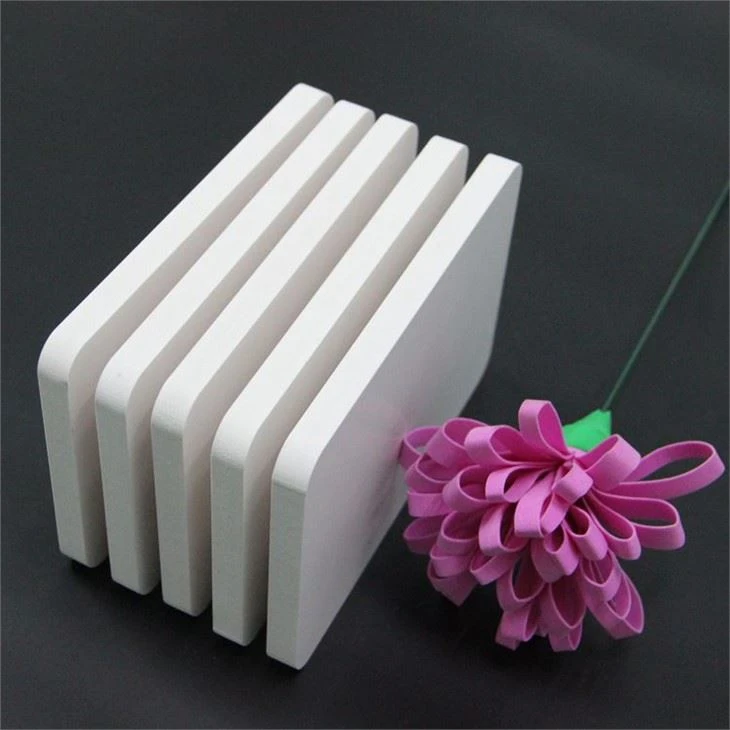
First, let's understand what PVC foam sheets are. Polyvinyl chloride (PVC) is a widely used synthetic plastic polymer. PVC foam sheets, such as the 18mm ones we supply, are made of PVC resin with a foaming agent added during the manufacturing process. This results in a lightweight, rigid, and versatile material that has found applications in various industries, including advertising, construction, and furniture manufacturing.
We offer different types of PVC foam sheets, such as Closed Cell PVC Foam Sheet, PVC Rigid Foam Sheet, and Co - extruded PVC Foam Sheet, each with unique properties and characteristics suited for specific applications.
Safety Considerations for Food - Contact Materials
In the context of food - contact applications, safety is of utmost importance. Materials used in contact with food must comply with strict regulations to ensure that they do not pose any health risks to consumers. These regulations typically restrict the use of certain substances, such as heavy metals (e.g., lead, mercury, cadmium), plasticizers (e.g., phthalates), and other potentially harmful chemicals.

Potential Concerns with PVC Foam Sheets in Food Contact
- Plasticizers: Traditional PVC formulations often contain plasticizers, most commonly phthalates, to make the material more flexible. Phthalates have been linked to various health issues, including endocrine disruption and reproductive problems. When PVC products come into contact with food, there is a risk of phthalate migration into the food, especially if the food is fatty or acidic, as these can act as solvents for the plasticizers.
- Additives and Stabilizers: PVC foam sheets may also contain other additives and stabilizers, such as lead - based stabilizers, which are used to prevent degradation of the PVC during processing and to improve its heat and UV resistance. However, lead is a well - known toxic substance, and its presence in food - contact materials is strictly regulated in many countries.
- Microbial Growth: The porous nature of foam sheets can potentially provide a breeding ground for microorganisms if not properly cleaned and maintained. This can be a significant concern in food - contact applications, as it may lead to food contamination and spoilage.
Regulatory Requirements
Regulatory bodies around the world, such as the U.S. Food and Drug Administration (FDA) and the European Food Safety Authority (EFSA), have established strict guidelines for materials used in food - contact applications. These guidelines set limits on the migration of potentially harmful substances from the material into the food.
In general, PVC materials must meet specific requirements regarding their composition, including the absence or limited use of certain substances. For example, the FDA has established regulations for food - grade PVC, which typically requires the use of approved plasticizers and additives and limits the amount of migration of these substances into food.
Evaluating the 18mm PVC Foam Sheet for Food - Contact
- Composition Analysis: Our 18mm PVC foam sheets are carefully formulated to meet high - quality standards. We conduct regular composition analyses to ensure that the sheets are free from harmful substances such as lead - based stabilizers and phthalates. By using alternative, food - grade approved plasticizers and additives, we aim to minimize the risk of migration into food.
- Migration Testing: Migration testing is a crucial step in determining the suitability of a material for food - contact applications. We perform migration tests in accordance with relevant international standards. These tests involve exposing the PVC foam sheet to food simulant substances under specific conditions and then analyzing the amount of substances that migrate from the sheet into the simulant. Our test results have shown that our 18mm PVC foam sheets meet the acceptable migration limits set by regulatory bodies.
- Surface Ease of Cleaning: We understand the importance of maintaining a clean surface in food - contact applications. Our 18mm PVC foam sheets have a smooth surface that is relatively easy to clean and sanitize. This helps to prevent the growth of microorganisms and reduces the risk of food contamination.
Case Studies and Applications
- Food Packaging Interiors: In some cases, our 18mm PVC foam sheets have been used in the interiors of food packaging. For example, they can be used as partitions or inserts to protect delicate food items during transportation. As long as the sheets are in compliance with food - safety regulations and do not directly contact the food, they can provide a lightweight and protective solution.
- Food Display Shelves: Our PVC foam sheets can also be used for food display shelves in supermarkets and food markets. The smooth and cleanable surface, along with the high strength - to - weight ratio, makes them a suitable choice. However, it is important to ensure that the shelves are properly maintained and cleaned regularly to prevent any potential food contamination.
Conclusion and Call to Action
Based on our scientific analysis, composition control, and migration testing, our 18mm PVC foam sheets can potentially be used in certain food - contact applications, provided that all regulatory requirements are met. We are committed to providing high - quality products that meet the strictest safety standards.
If you are interested in using our 18mm PVC foam sheets for food - contact applications or have any other inquiries about our products, we encourage you to contact us for further discussions. Our team of experts is ready to assist you in determining the most suitable product for your specific needs.
References
- Food and Drug Administration, "Regulations for Food - Contact Substances", available at official FDA publication.
- European Food Safety Authority, "Guidelines for Food - Contact Materials", EFSA official documents.
- Scientific research papers on the migration of substances from PVC materials into food, published in leading international journals in food science and plastics technology.