

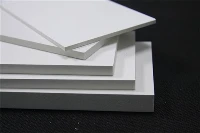

Hey there! As a supplier of 6mm PVC Foam Sheet, I often get asked whether this product can be used for swimming pool liners. Well, let's dive right into it and explore the ins and outs of using 6mm PVC Foam Sheet in this context.
First off, let's talk about what 6mm PVC Foam Sheet is. It's a lightweight, rigid, and durable material made from polyvinyl chloride (PVC). The foam structure gives it some unique properties, like good insulation and a decent amount of flexibility. It's commonly used in various applications, such as signage, display boards, and even some construction projects.
Now, when it comes to using it for swimming pool liners, there are a few factors we need to consider.
Advantages of Using 6mm PVC Foam Sheet for Swimming Pool Liners
Durability
One of the big pluses of 6mm PVC Foam Sheet is its durability. PVC is known for its resistance to chemicals, including the chlorine and other sanitizers commonly used in swimming pools. This means that the sheet won't break down easily when exposed to the pool water, which is a crucial factor for a long - lasting pool liner. It can withstand the constant soaking and the occasional splashing of chemicals without getting damaged quickly.
Insulation
The foam structure of the PVC sheet provides some insulation. This can be a great benefit for swimming pools, especially in cooler climates. It helps to keep the pool water warm by reducing heat loss through the pool walls. So, you might save a bit on your heating costs in the long run.
Flexibility
Despite being rigid, 6mm PVC Foam Sheet still has a certain degree of flexibility. This allows it to conform to the shape of the pool to some extent. Whether you have a rectangular, oval, or even a custom - shaped pool, the sheet can be bent and cut to fit the contours of the pool, making it a versatile option for pool liners.
Disadvantages of Using 6mm PVC Foam Sheet for Swimming Pool Liners
Sealing
One of the main challenges with using PVC Foam Sheet as a pool liner is getting a proper seal. Since the sheet comes in panels, you need to join them together to cover the entire pool surface. If the sealing is not done correctly, water can seep through the joints, leading to leaks. And once water starts leaking, it can cause damage to the pool structure and make the liner ineffective.
UV Resistance
Although PVC is generally durable, prolonged exposure to sunlight can cause it to degrade over time. UV rays can make the sheet brittle and discolored. In a swimming pool setting, where the liner is constantly exposed to sunlight, this could be a significant issue. You might need to apply a UV - resistant coating to the sheet to protect it, which adds an extra cost and step to the installation process.
Cost
Compared to some traditional pool liner materials, 6mm PVC Foam Sheet can be relatively expensive. Not only do you have to pay for the material itself, but you also need to factor in the cost of installation, including any additional sealing and finishing materials. This can make it a less attractive option for budget - conscious pool owners.
Alternatives and Related Products
If you're still interested in PVC - based products for your pool project, there are other options available. For example, you might consider 5mm PVC Foam Board. It's a bit thinner than the 6mm sheet, which might make it more flexible in some cases. However, it might also be less durable.


On the other hand, 25mm PVC Foam Boards offer more thickness and potentially more insulation. But they are also heavier and might be more difficult to install.
And if you're looking for a more aesthetically pleasing option, High Glossy PVC Co - extruded Foam Board could be a great choice. It has a shiny finish that can give your pool a more modern and stylish look.
Installation Considerations
If you decide to go ahead and use 6mm PVC Foam Sheet as a pool liner, proper installation is key. First, you need to prepare the pool surface. It should be clean, smooth, and free of any debris or sharp objects that could damage the sheet.
Next, you'll need to measure the pool accurately and cut the PVC sheets to the right size. When joining the sheets, use a high - quality PVC adhesive that is suitable for wet environments. Make sure to apply the adhesive evenly and press the sheets together firmly to create a strong bond.
After installation, it's a good idea to test the liner for leaks. Fill the pool with a small amount of water and check for any signs of water seepage around the joints. If you find any leaks, you'll need to fix them immediately before filling the pool completely.
Conclusion
So, can 6mm PVC Foam Sheet be used for swimming pool liners? The answer is yes, it's possible. It has some advantages like durability, insulation, and flexibility. However, it also comes with challenges such as sealing, UV resistance, and cost.
If you're willing to invest the time and money into proper installation and maintenance, it can be a viable option for your pool. And if you have any questions or need more information about our 6mm PVC Foam Sheet or other related products, feel free to reach out to us. We're here to help you make the best decision for your swimming pool project. Whether you're a homeowner looking to upgrade your pool or a contractor working on a new installation, we can provide the materials and support you need. So, don't hesitate to contact us if you're interested in purchasing our products for your pool liner project.
References
- "PVC Materials in Construction: Properties and Applications" by Construction Materials Research Institute
- "Swimming Pool Liner Installation Guide" by Pool Maintenance Association