


PVC expansion sheets have gained significant popularity in various industries due to their versatility, cost - effectiveness, and ease of processing. As a supplier of PVC expansion sheets, I often receive inquiries from customers about the deformation resistance of these products. In this blog, I will delve into the factors that influence the deformation of PVC expansion sheets and provide an in - depth analysis of whether they are easy to deform.
Understanding PVC Expansion Sheets
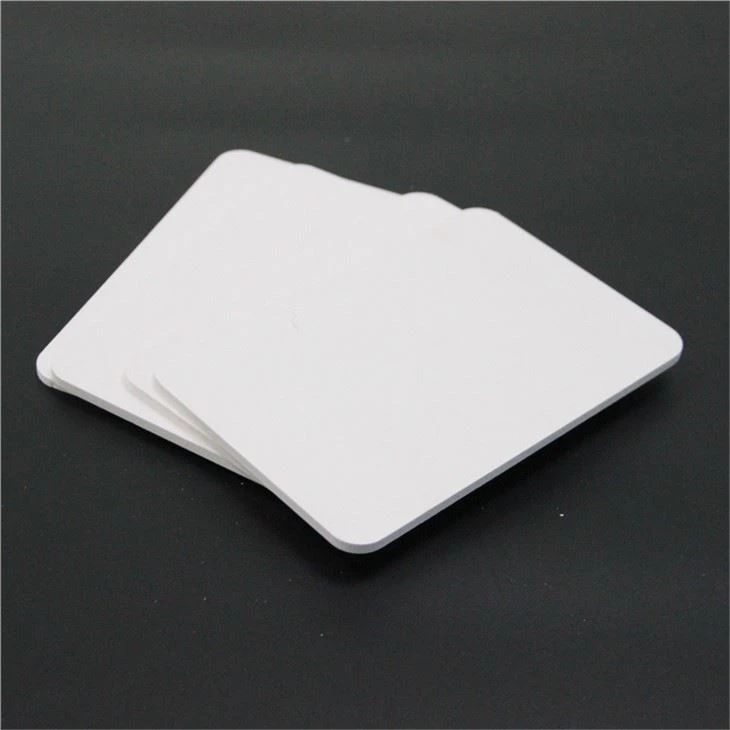
PVC expansion sheets, also known as PVC foam sheets, are made from polyvinyl chloride (PVC) resin with the addition of foaming agents, stabilizers, and other additives. The foaming process creates a cellular structure within the sheet, which reduces its density while maintaining its strength and rigidity to a certain extent. These sheets are widely used in applications such as advertising signs, furniture manufacturing, construction, and packaging.
Factors Affecting Deformation
Temperature
One of the most significant factors that can cause PVC expansion sheets to deform is temperature. PVC is a thermoplastic material, which means it can soften and deform when exposed to high temperatures. The glass transition temperature (Tg) of PVC typically ranges from 70 - 80°C. When the temperature exceeds this range, the molecular chains in the PVC become more mobile, and the sheet may start to lose its shape.
For example, if a PVC expansion sheet is installed outdoors in a hot climate without proper insulation or shading, it may be exposed to direct sunlight for extended periods. The heat from the sun can cause the surface temperature of the sheet to rise significantly, leading to deformation. On the other hand, in cold temperatures, PVC expansion sheets can become brittle and may crack or break under stress.
Humidity
Humidity can also have an impact on the deformation of PVC expansion sheets. PVC is a porous material, and it can absorb moisture from the surrounding environment. When the sheet absorbs moisture, it may swell, which can lead to warping or distortion. This is particularly a concern in applications where the sheet is exposed to high - humidity conditions for long periods, such as in bathrooms or outdoor areas with high rainfall.
Mechanical Stress
Mechanical stress, such as bending, compression, or impact, can cause PVC expansion sheets to deform. The strength and rigidity of PVC expansion sheets depend on their density, thickness, and the quality of the raw materials used in their production. Thicker and higher - density sheets generally have better resistance to mechanical stress compared to thinner and lower - density ones.
For instance, if a PVC expansion sheet is used in a furniture application and is subjected to heavy loads or repeated impacts, it may deform over time. Similarly, if the sheet is bent beyond its recommended radius of curvature during installation, it can develop permanent deformation.
Assessing Deformation Resistance
Material Quality
The quality of the PVC resin and additives used in the production of expansion sheets plays a crucial role in determining their deformation resistance. High - quality PVC resins with a uniform molecular structure and proper stabilizers can provide better heat and chemical resistance, reducing the likelihood of deformation. As a supplier, we ensure that we source the best - quality raw materials to produce PVC expansion sheets with excellent performance.

Manufacturing Process
The manufacturing process also affects the deformation resistance of PVC expansion sheets. Precise control of the foaming process, including the foaming agent dosage, temperature, and pressure, is essential to ensure a uniform cellular structure within the sheet. A uniform cellular structure helps to distribute stress evenly and improves the overall strength and rigidity of the sheet.
Testing and Certification
To guarantee the quality and deformation resistance of our PVC expansion sheets, we conduct various tests, such as heat distortion tests, moisture absorption tests, and mechanical strength tests. Our products also meet relevant international standards and certifications, which provide an assurance of their performance and reliability.
Products with Good Deformation Resistance
We offer a range of PVC expansion sheets with excellent deformation resistance. For example, our Premium Quality PVC Foam Board with Protection Film is made from high - grade PVC resin and features a special protective film that enhances its durability and resistance to environmental factors. This board is suitable for applications where high - quality and long - term performance are required.
Our 20mm High Density PVC Foam Sheet is another product with outstanding deformation resistance. The high density of this sheet provides it with greater strength and rigidity, making it suitable for heavy - duty applications such as construction and industrial uses.
In addition, our Flexible PVC Foam Board is designed to be both flexible and resistant to deformation. It can be bent and shaped easily without losing its structural integrity, making it ideal for applications that require complex shapes and designs.
Conclusion
In general, PVC expansion sheets are not inherently easy to deform if they are made from high - quality materials, produced using a proper manufacturing process, and used within their recommended operating conditions. However, factors such as temperature, humidity, and mechanical stress can cause deformation if not properly managed.
As a supplier of PVC expansion sheets, we are committed to providing our customers with products that have excellent deformation resistance. Our range of products, including the Premium Quality PVC Foam Board with Protection Film, 20mm High Density PVC Foam Sheet, and Flexible PVC Foam Board, are designed to meet the diverse needs of our customers in various industries.
If you are interested in purchasing PVC expansion sheets for your project, we invite you to contact us for more information and to discuss your specific requirements. We look forward to working with you to provide the best - suited solutions for your applications.
References
- ASTM International. Standards related to PVC plastics and foam materials.
- European Committee for Standardization (CEN). Standards for PVC products in construction and industrial applications.
- Technical literature on PVC materials and manufacturing processes from leading chemical companies.