


As a supplier of 18mm PVC foam sheets, I often get asked about the flexural strength of these products. Flexural strength is a crucial property, especially when considering the practical applications of PVC foam sheets. In this blog, I'll delve into what flexural strength means, how it applies to 18mm PVC foam sheets, and why it matters in various industries.
Understanding Flexural Strength
Flexural strength, also known as bending strength, is the ability of a material to resist deformation under bending forces. When a load is applied to a PVC foam sheet in a way that causes it to bend, the flexural strength determines how much stress the sheet can withstand before it breaks or permanently deforms. This property is measured in units of pressure, typically megapascals (MPa).

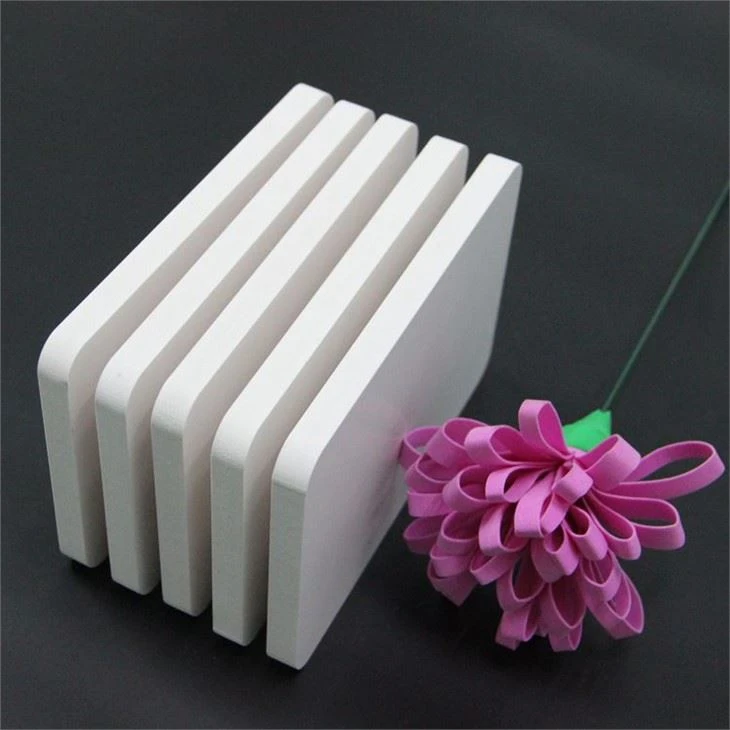
The flexural strength of a material is influenced by several factors, including its composition, density, and manufacturing process. For 18mm PVC foam sheets, the specific formula and production techniques used by the manufacturer play a significant role in determining the final flexural strength.
Flexural Strength of 18mm PVC Foam Sheets
The flexural strength of 18mm PVC foam sheets can vary depending on the quality and type of the sheet. Generally, high - quality 18mm PVC foam sheets have a flexural strength ranging from 15 MPa to 25 MPa. This range allows the sheets to be used in a variety of applications where they may be subjected to bending forces.
For instance, in the signage industry, 18mm PVC foam sheets are often used to create large - format signs. These signs may need to withstand wind loads and other external forces, which can cause bending. A sheet with a higher flexural strength is more likely to maintain its shape and integrity over time, reducing the risk of damage or failure.
In addition to signage, 18mm PVC foam sheets are also used in the construction and furniture industries. In construction, they can be used as interior partitions or decorative panels. In furniture manufacturing, they can be used for cabinet doors, shelves, and other components. In both cases, the flexural strength of the sheets is important to ensure that the finished products are durable and can support the intended loads.
Factors Affecting Flexural Strength
Composition
The composition of the PVC foam sheet is a key factor in determining its flexural strength. PVC foam sheets are made from polyvinyl chloride (PVC) resin, which is combined with various additives such as foaming agents, stabilizers, and fillers. The type and amount of these additives can significantly affect the mechanical properties of the sheet, including its flexural strength.
For example, sheets with a higher percentage of filler may have a lower flexural strength, as the filler may not contribute to the structural integrity of the sheet in the same way as the PVC resin. On the other hand, sheets with high - quality additives and a well - balanced composition are more likely to have a higher flexural strength.
Density
The density of the 18mm PVC foam sheet also plays a role in its flexural strength. Generally, higher - density sheets have a higher flexural strength. This is because the cells in the foam structure are more closely packed together, providing more resistance to bending forces.
However, higher - density sheets may also be heavier and more expensive. Therefore, it's important to strike a balance between density and cost when selecting 18mm PVC foam sheets for a particular application.
Manufacturing Process
The manufacturing process used to produce the 18mm PVC foam sheet can also affect its flexural strength. Extrusion is a common method for producing PVC foam sheets, and the quality of the extrusion process can impact the sheet's mechanical properties.
For example, a well - controlled extrusion process can ensure a uniform distribution of cells in the foam structure, which can improve the flexural strength. Additionally, post - processing treatments such as heat treatment or surface lamination can also enhance the flexural strength of the sheet.
Importance of Flexural Strength in Different Applications
Signage
As mentioned earlier, signage is one of the most common applications for 18mm PVC foam sheets. In outdoor signage, the sheets need to withstand wind, rain, and other environmental factors. A high flexural strength ensures that the signs can maintain their shape and appearance over time, even in harsh conditions.
For indoor signage, the flexural strength is also important to prevent damage during installation and handling. A sheet with low flexural strength may crack or break easily, leading to a poor - quality sign.
Construction
In the construction industry, 18mm PVC foam sheets are used for a variety of purposes, including interior partitions, wall cladding, and ceiling panels. These applications require sheets with good flexural strength to ensure that they can support their own weight and any additional loads, such as fixtures or decorations.
For example, in a partition wall, the PVC foam sheet needs to be able to withstand the pressure from people leaning against it or pushing on it. A sheet with insufficient flexural strength may buckle or deform, compromising the integrity of the partition.
Furniture
In furniture manufacturing, 18mm PVC foam sheets are used to create various components, such as cabinet doors, shelves, and drawers. The flexural strength of the sheets is crucial to ensure that these components can support the weight of items placed on them.
For instance, a cabinet door made from a 18mm PVC foam sheet with low flexural strength may sag over time, making it difficult to open and close. On the other hand, a door made from a sheet with high flexural strength will maintain its shape and functionality for a longer period.
Choosing the Right 18mm PVC Foam Sheet
When choosing an 18mm PVC foam sheet for your application, it's important to consider the flexural strength along with other factors such as density, cost, and surface finish. You can refer to the product specifications provided by the manufacturer to get an idea of the flexural strength of different sheets.
If you need a sheet with a high flexural strength, look for products that are specifically designed for applications where bending resistance is critical. You can also ask the manufacturer for samples to test the flexural strength yourself.
As a supplier of 18mm PVC foam sheets, I offer a wide range of products with different flexural strengths to meet the diverse needs of our customers. Our 18mm PVC Foam Sheet is carefully manufactured to ensure consistent quality and performance. We also offer PVC Rigid Foam Sheet and Co - extruded PVC Foam Sheet, which provide additional options for your projects.
If you're interested in learning more about the flexural strength of our 18mm PVC foam sheets or would like to discuss your specific requirements, please feel free to contact us. We're here to help you find the right solution for your application.
References
- ASTM International. "Standard Test Method for Flexural Properties of Unreinforced and Reinforced Plastics and Electrical Insulating Materials." ASTM D790.
- Plastics Industry Association. "Properties of PVC Foam Sheets." Technical Report.