

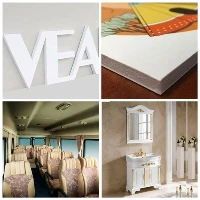

As a supplier of 12mm PVC foam boards, I'm often asked about the various printing methods available for these versatile materials. PVC foam boards, known for their durability, lightweight nature, and smooth surface, are widely used in a range of applications from signage to interior decoration. In this blog post, I'll explore the different printing techniques suitable for 12mm PVC foam boards, highlighting their advantages, limitations, and ideal use - cases.
Screen Printing
Screen printing is one of the oldest and most established printing methods for PVC foam boards. It involves creating a stencil (or screen) that blocks out the areas of the board where ink should not be applied. Ink is then forced through the open areas of the screen onto the board using a squeegee.
Advantages
- Vibrant Colors: Screen printing can produce highly saturated and vivid colors, making it ideal for eye - catching signage. The thick layer of ink applied during the process results in a rich, opaque finish.
- Durability: The ink adheres well to the PVC foam board, providing long - lasting prints that can withstand outdoor elements to some extent. This makes it a popular choice for outdoor advertising and promotional materials.
- Suitability for Large Areas: Screen printing is efficient for printing large, solid color areas or simple designs on 12mm PVC foam boards. It can cover large surfaces quickly and evenly.
Limitations
- Limited Detail: Screen printing is not the best option for designs with fine details or high - resolution images. The mesh of the screen can limit the level of detail that can be achieved.
- Setup Cost: The initial setup for screen printing can be expensive, as it requires the creation of a separate screen for each color in the design. This makes it less cost - effective for small - scale or one - off prints.
Ideal Use - Cases
Screen printing is perfect for large - scale outdoor signage, such as billboards, storefront signs, and exhibition displays. It's also commonly used for printing simple logos and branding on PVC foam boards for promotional items.
Digital Printing
Digital printing has revolutionized the printing industry, offering a high - quality and flexible alternative to traditional printing methods. With digital printing, an image is directly transferred from a computer to the PVC foam board using specialized printers.


Advantages
- High Resolution: Digital printing can reproduce designs with extremely high levels of detail and accuracy. It can handle complex images, photographs, and full - color graphics with ease, making it suitable for designs that require a high level of realism.
- Quick Turnaround: There is no need for time - consuming setup processes like screen creation. This allows for rapid prototyping and short - run production, making it ideal for urgent orders or small - batch printing.
- Variable Data Printing: Digital printing enables the printing of variable data, such as names, numbers, or barcodes, on each individual board. This is useful for personalized marketing materials or identification tags.
Limitations
- Ink Durability: While digital inks have improved over the years, they may not be as durable as screen - printed inks, especially in outdoor applications. UV exposure and harsh weather conditions can cause the colors to fade over time.
- Cost for Large Volumes: For large - scale production, digital printing can be more expensive per unit compared to screen printing. The cost per print remains relatively constant regardless of the quantity, making it less economical for bulk orders.
Ideal Use - Cases
Digital printing is well - suited for indoor signage, such as point - of - sale displays, wall art, and trade show graphics. It's also a great choice for small - run or personalized prints, like custom - made plaques or promotional gifts. For more information on our lightweight options, check out our Lightweight PVC Board.
UV Printing
UV printing is a specialized form of digital printing that uses ultraviolet (UV) light to cure the ink instantly as it is applied to the PVC foam board.
Advantages
- Fast Curing: The UV curing process is extremely fast, allowing for immediate handling and finishing of the printed boards. This reduces production time and eliminates the need for drying racks or waiting periods.
- Adhesion and Durability: UV inks bond well to the PVC foam board surface, providing excellent adhesion and resistance to scratching, abrasion, and fading. This makes it suitable for both indoor and outdoor applications.
- Versatility: UV printing can be used on a variety of PVC foam board finishes, including smooth, textured, and embossed surfaces. It can also print on irregular shapes and sizes, offering greater design flexibility.
Limitations
- Equipment Cost: UV printing machines are more expensive to purchase and maintain compared to traditional digital printers. This can increase the overall cost of production, especially for small - scale printers.
- Ink Cost: UV inks are generally more expensive than other types of inks, which can add to the cost of each print.
Ideal Use - Cases
UV printing is commonly used for high - end signage, interior decor elements, and industrial applications where durability and high - quality prints are required. It's also suitable for printing on Black Foamex PVC Foam Board Foam PVC Panel Laminated PVC Foam Board and other specialty PVC foam boards.
Heat Transfer Printing
Heat transfer printing involves transferring a design from a transfer paper to the PVC foam board using heat and pressure.
Advantages
- Soft Finish: Heat transfer prints have a soft, smooth finish that can mimic the look of the original design closely. This makes it a popular choice for designs that require a more delicate or artistic appearance.
- Suitability for Small Designs: Heat transfer printing is well - suited for small, detailed designs or logos. It can achieve a high level of precision and detail, even on small areas of the PVC foam board.
Limitations
- Limited Durability: Heat transfer prints may not be as durable as other printing methods, especially in outdoor applications. The transfer layer can peel or crack over time, especially if exposed to harsh conditions.
- Size Limitations: The size of the print is limited by the size of the transfer paper and the heat press machine. This can make it challenging to print large - scale designs.
Ideal Use - Cases
Heat transfer printing is often used for small - scale promotional items, such as keychains, labels, and small plaques. It's also suitable for adding decorative elements to PVC foam board products for interior use.
Considerations When Choosing a Printing Method
When deciding on the best printing method for your 12mm PVC foam board project, there are several factors to consider:
- Design Requirements: If your design has fine details, high - resolution images, or full - color graphics, digital or UV printing may be the best option. For simple, solid - color designs, screen printing could be more suitable.
- Quantity: For large - volume orders, screen printing may be more cost - effective, while digital or UV printing is better for small - batch or one - off prints.
- End Use: If the printed boards will be used outdoors, durability is a key consideration. Screen printing and UV printing generally offer better resistance to weather and UV exposure compared to digital and heat transfer printing.
As a supplier of 12mm PVC foam boards, I understand the importance of choosing the right printing method to achieve the best results for your project. Whether you're looking for a vibrant outdoor sign or a high - quality indoor display, we can provide you with the perfect PVC foam board and offer advice on the most suitable printing technique.
If you're interested in purchasing 12mm PVC foam boards or have questions about the printing methods mentioned above, feel free to reach out. We're here to assist you in bringing your design ideas to life. For more information on our white standard options, visit White Standard Foamex PVC Foam Board 5mm PVC Foam Sheet For Wall.
References
- Smith, J. (2020). The Printing Handbook. London: Printing Press.
- Johnson, A. (2019). PVC Foam Board Applications and Printing Techniques. New York: Plastics Publishing.
- Brown, C. (2021). Digital Printing Technology and Its Impact on the Industry. Sydney: Tech Books.