


When it comes to materials for a wide range of applications, the 2mm PVC Foam Board is a notable option that many industries turn to. As a leading supplier of this product, I often encounter inquiries about its various properties, especially the UV resistance. In this blog post, I'll delve into what UV resistance means for a 2mm PVC Foam Board, how it's measured, and why it matters in different scenarios.
Understanding UV Resistance
UV resistance refers to a material's ability to withstand the damaging effects of ultraviolet (UV) radiation from the sun. UV rays are part of the electromagnetic spectrum and can cause significant degradation to many materials over time. When a material is exposed to UV radiation, it can lead to discoloration, loss of mechanical properties such as strength and flexibility, and surface deterioration.
For a 2mm PVC Foam Board, UV resistance is crucial, especially if it is intended for outdoor use. The thinness of the board means that it may be more vulnerable to the effects of UV radiation compared to thicker boards. A lack of adequate UV resistance can result in the board becoming brittle, cracking, or losing its original color, which can be a major concern for applications where aesthetics and durability are important.
How UV Resistance in 2mm PVC Foam Boards is Achieved
The UV resistance of a 2mm PVC Foam Board is typically achieved through the addition of UV stabilizers during the manufacturing process. These stabilizers work by absorbing or reflecting UV radiation, preventing it from reaching the internal structure of the board. There are different types of UV stabilizers, including organic and inorganic ones, and manufacturers may use a combination of them to achieve the best results.
The quality and quantity of UV stabilizers used can significantly impact the UV resistance of the board. Higher-quality stabilizers are generally more effective at protecting the board from UV damage, and using the right amount ensures that the board has a long lifespan even under prolonged sun exposure. Additionally, the manufacturing process itself can also influence the UV resistance. For example, a well - controlled extrusion process can ensure that the UV stabilizers are evenly distributed throughout the board, providing consistent protection.
Measuring UV Resistance
There are several methods to measure the UV resistance of a 2mm PVC Foam Board. One common approach is the accelerated weathering test. In this test, samples of the board are exposed to artificial UV light, often in combination with other environmental factors such as heat and humidity, for an extended period. The intensity and duration of the exposure are designed to simulate years of outdoor conditions in a relatively short time.
After the test, the samples are evaluated for changes in color, gloss, mechanical properties, and surface damage. The results of these evaluations are used to determine the board's UV resistance rating. Another method is to conduct real - world exposure tests, where the boards are installed outdoors in different geographical locations and monitored over time. This provides a more accurate representation of how the board will perform in actual use but takes much longer to obtain results.
Importance of UV Resistance in Different Applications
Outdoor Signage
One of the most common applications for 2mm PVC Foam Boards is outdoor signage. Signage needs to remain visually appealing and legible for an extended period. A board with good UV resistance will maintain its color and structural integrity, ensuring that the sign continues to attract attention and convey the intended message. Without proper UV protection, the sign may fade, crack, or become unreadable, which can be a significant cost for the business owner.
Construction and Architecture
In the construction industry, 2mm PVC Foam Boards are used for various purposes, such as interior and exterior cladding. For exterior applications, UV resistance is essential to prevent the boards from deteriorating over time. The boards need to withstand the changing weather conditions, including long hours of sunlight. A board with poor UV resistance may start to show signs of wear and tear within a few months, leading to the need for expensive replacements.
Advertising Displays
Advertising displays, whether in shopping malls, exhibition halls, or outdoor events, rely on the visual impact of the boards. A faded or damaged board can detract from the overall message of the advertisement. With high UV resistance, the boards can maintain their bright colors and smooth surfaces, enhancing the effectiveness of the advertisement.

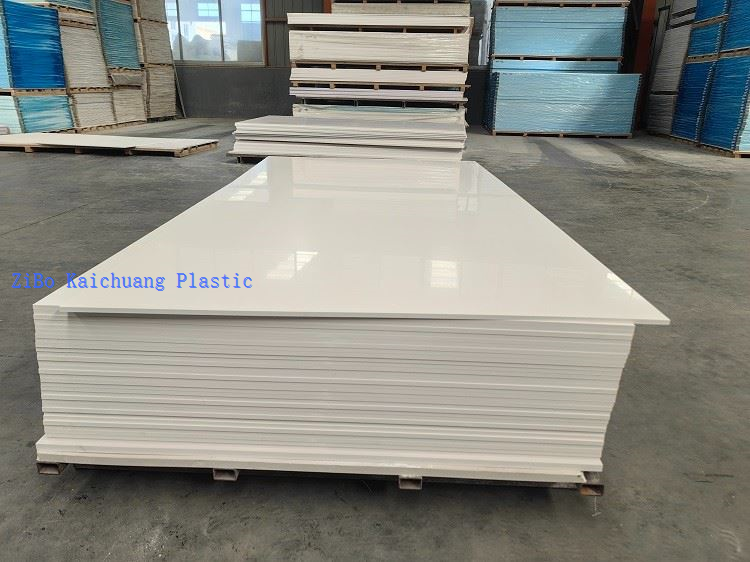
Comparing 2mm PVC Foam Board with Other Products
When considering the UV resistance of a 2mm PVC Foam Board, it's also useful to compare it with other similar products. For example, the 15mm PVC Foam Board may have different UV resistance characteristics due to its thickness. Thicker boards may have an advantage in terms of UV protection as they have more material to absorb and dissipate the UV energy.
The Moisture Proof PVC Foam Board For Kitchen Cabinet is designed for indoor use, where UV exposure is not a major concern. However, if it were to be used in an area with some sunlight, its UV resistance may be a factor to consider.
The Foamed PVC Plastic Board may have different formulations and UV stabilizers, which can affect its UV resistance. Similarly, the 18mm PVC Foam Sheet and 1mm PVC Foam Board Sheet will have their own unique UV resistance properties based on their thickness and manufacturing processes.
Our 2mm PVC Foam Board's UV Resistance
As a supplier, we take pride in the UV resistance of our 2mm PVC Foam Board. We use high - quality UV stabilizers and a precise manufacturing process to ensure that our boards can withstand long - term UV exposure. Our boards have been tested through both accelerated weathering tests and real - world exposure tests, and the results have shown excellent UV resistance.
We understand that different customers have different requirements for UV resistance, depending on the application. For example, if the board is to be used in a region with high sunlight intensity, we can provide boards with enhanced UV protection. Our technical team is always ready to offer advice on the best product for your specific needs.
Contact Us for Purchase and Consultation
If you are interested in our 2mm PVC Foam Board or have any questions about its UV resistance or other properties, we encourage you to contact us. Our team of experts is dedicated to providing you with the best solutions for your projects. Whether you are in the signage industry, construction, or advertising, our 2mm PVC Foam Board can be a reliable choice.
References
- ASTM International. (20XX). Standard test methods for evaluating the performance of plastics exposed to natural weathering.
- European Committee for Standardization. (20XX). Plastics - Methods of exposure to laboratory light sources.
- Smith, J. (20XX). The effects of UV radiation on polymer materials. Journal of Polymer Science.