



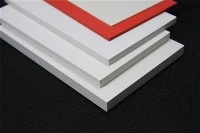
Why Is Co-Extrusion PVC Foam Board Gaining Attention?
Industry News | October 2026
As furniture manufacturers, sign makers and interior panel fabricators look for materials that combine surface quality with efficient processing, co-extrusion technology is attracting increasing attention. By combining a foamed PVC core with denser outer layers, this board structure offers a practical balance of lightweight construction, surface hardness and fabrication flexibility.
For manufacturers and wholesale buyers, the key question is no longer simply which board costs less, but which material can deliver the right combination of appearance, processing performance and consistency for the finished product.
1. Why Does Co-Extrusion Technology Matter?
Traditional foam board structures are valued for their low weight and ease of fabrication. Co-extrusion takes this concept further by forming the surface layers and foamed core during the same production process.
The resulting structure typically includes:
A foamed PVC core to reduce overall material weight.
Denser outer layers to provide a harder, smoother surface.
An integrated board structure designed for practical fabrication and finishing.
This combination makes co-extrusion PVC foam board worth considering for applications where the panel surface is visible, frequently handled or subject to routine wear.
Actual performance depends on the formulation, skin thickness, core density and production quality.
2. Which Industries Are Exploring This Board Structure?
Demand for versatile sheet materials comes from several manufacturing sectors. Co-extruded boards can be considered where surface appearance and machining characteristics are important.
| Industry | Potential Applications | Key Selection Factor |
|---|---|---|
| Furniture manufacturing | Cabinet panels, furniture components and decorative panels | Surface hardness and rigidity |
| Kitchen and bathroom cabinetry | Cabinet structures and interior panels | Moisture resistance and fastening performance |
| Advertising and displays | Display panels, exhibition structures and signs | Surface finish and fabrication accuracy |
| Interior decoration | Decorative panels, partitions and fitted interiors | Appearance and dimensional consistency |
| Retail fixtures | Shelving components and display structures | Surface durability and ease of processing |
The appropriate specification varies by application. For example, a decorative panel may prioritize surface appearance, while a cabinet component may require greater rigidity and reliable screw-holding performance.
3. Surface Quality Is Becoming a Key Purchasing Consideration
For manufacturers producing visible furniture panels, display units or decorative components, surface quality directly affects the appearance of the finished product.
A well-produced co-extruded PVC foam sheet can offer a smooth outer surface that is suitable for a range of fabrication and finishing requirements. The harder surface layer may also help resist routine handling marks compared with some conventional foam board structures.
Before placing a bulk order, buyers should evaluate:
Surface smoothness and gloss consistency
Scratching and impact performance
Board flatness across the full sheet
Edge quality after cutting
Color consistency between production batches
Compatibility with the intended printing or finishing process
Requesting samples and testing them using the actual production method can help reduce quality risks before container orders are confirmed.
4. How Does It Compare with Other PVC Foam Boards?
Different PVC board structures serve different purposes. Co-extrusion is not automatically the best choice for every project; selection should be based on the finished product's requirements.
| Comparison Factor | Co-Extruded Board | Standard Free Foam Board |
|---|---|---|
| Surface structure | Denser outer layer over a foamed core | Foamed structure with a formed surface |
| Surface hardness | Generally designed for a harder outer surface | Depends on formulation and grade |
| Weight | Lightweight; depends on density and thickness | Lightweight; depends on density and thickness |
| Fabrication | Suitable for cutting, drilling and CNC routing with appropriate settings | Suitable for common cutting and machining operations |
| Typical priorities | Surface quality and panel durability | Lightweight construction and cost-conscious applications |
Buyers should compare boards at the same thickness and a clearly specified density. Comparing price alone may produce misleading results if the products have different structures or material weights.
5. What Should Wholesale Buyers Check Before Ordering?
For importers, distributors and manufacturing customers, consistent specifications are essential for repeat orders.
A practical purchasing checklist
Thickness and tolerance: Confirm that the sheet suits the final design and machining process.
Density: Check the specified density and sheet weight rather than relying on thickness alone.
Outer-layer quality: Ask about surface hardness, uniformity and the structure of the co-extruded layers.
Machining performance: Test cutting, drilling, routing and fastening where relevant.
Dimensions and flatness: Confirm standard or custom sheet sizes and acceptable tolerances.
Packaging: Check how surfaces and edges will be protected during transportation.
Sample approval: Approve the actual specification before moving to bulk production.
For recurring orders, keeping the approved sample and written specifications can help both buyer and manufacturer maintain consistency.
6. The Role of Manufacturing Consistency
A reliable rigid PVC foam board depends on more than its outer appearance. Raw material control, extrusion conditions, foaming stability, surface formation and cooling all influence the finished sheet.
Manufacturers should therefore monitor important characteristics such as thickness, density, surface condition, dimensions and flatness. Buyers can request inspection details and agree on acceptance criteria before production begins.
For customized projects, it is also useful to confirm whether the requested color, dimensions, density and surface finish can be produced together within the same specification.
Conclusion: Choosing the Right Board for the Job
Co-extrusion technology provides another option for manufacturers who need a lightweight panel with a harder, smoother outer surface. Its potential uses span cabinetry, furniture, advertising displays and interior fabrication, but the right choice depends on the board structure and the requirements of the finished product.
For businesses sourcing PVC foam board in bulk, the most effective approach is to compare samples, confirm technical specifications and evaluate processing performance before making a purchasing decision.
Looking for a co-extrusion PVC foam board supplier?
Zibo Kaichuang Plastic Co., Ltd. supplies PVC foam boards for furniture, cabinetry, advertising and other fabrication applications. Contact our team to discuss your required thickness, density, sheet size, surface finish and order quantity.


